Why Camo Print Photographs Differently Than It Looks in the Mirror
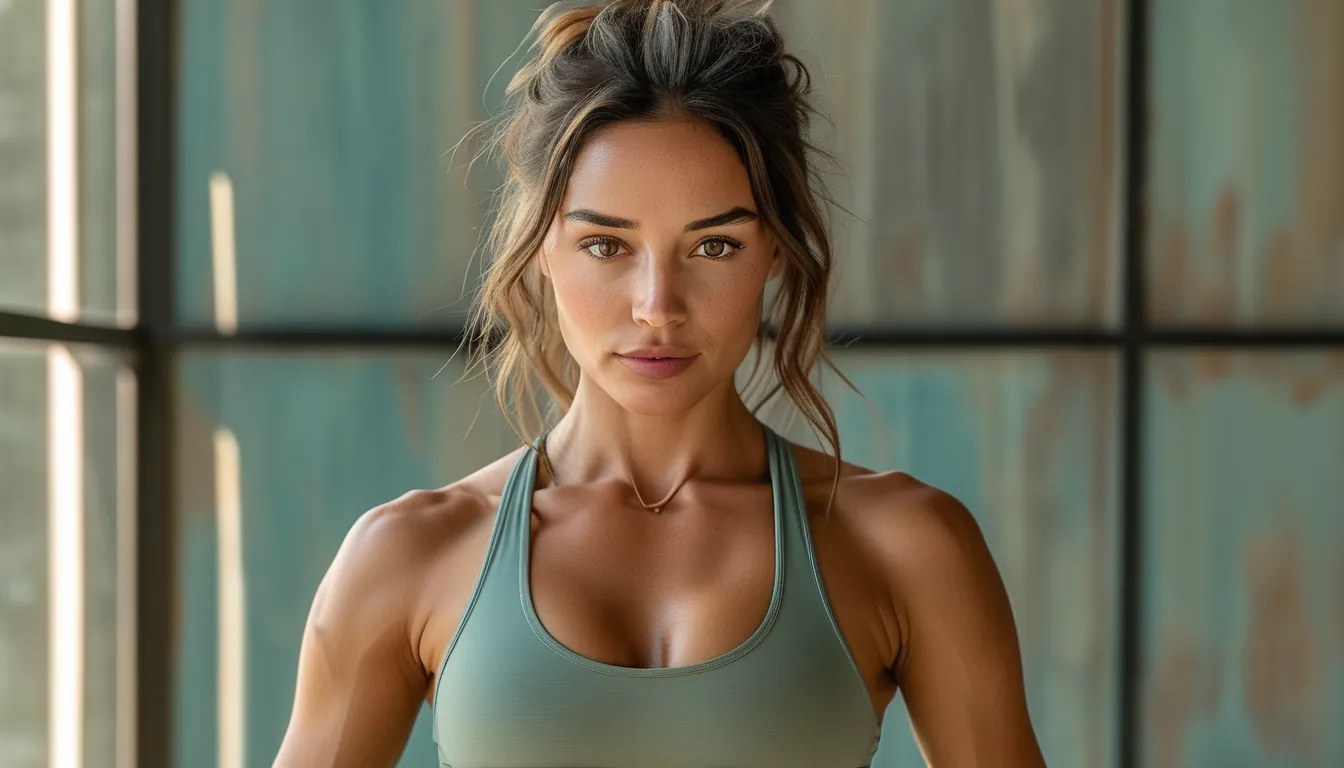
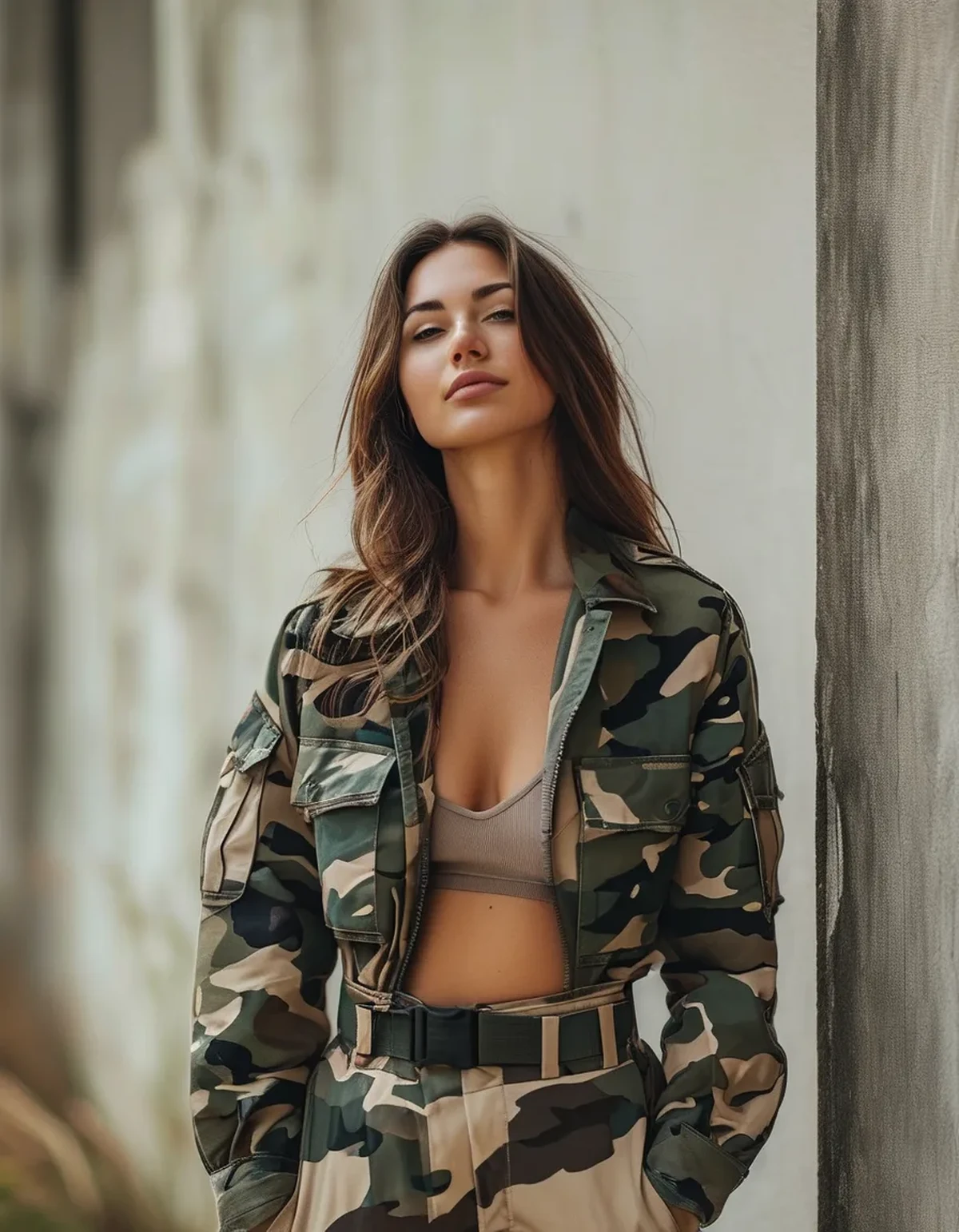
Quick Answer: Camo is a mid-tone, low-contrast, high-frequency pattern - exactly the combination cameras compress worst. Phone sensors reduce fine detail and lift midtones, so the distinct olive, khaki, and brown shapes blur into one flat greenish mass. The fix is contrast: pair camo with a genuinely light or genuinely dark solid, and shoot in even light rather than direct midday sun.
If you have ever loved a camo outfit in person and deleted every photo of it, this is why. Your eyes are better at this than your camera is.
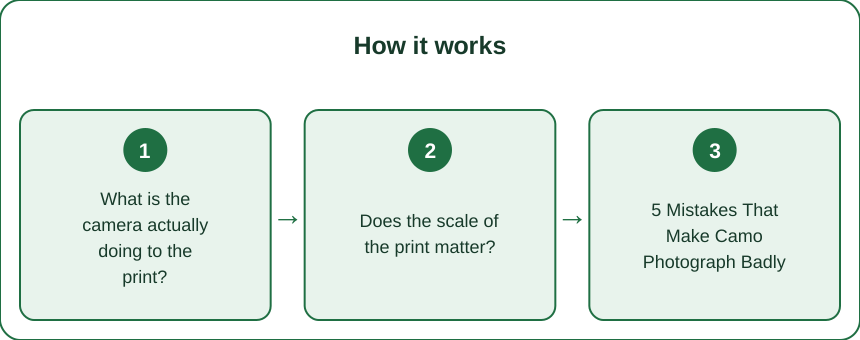
What is the camera actually doing to the print?
Three things stack up.
First, detail compression. Phone cameras apply noise reduction and sharpening algorithms tuned for faces and landscapes. A pattern with many small irregular shapes gets read partly as noise, and noise reduction smooths it.
Second, tonal averaging. Camo’s colors mostly sit in the middle of the tonal range, within a couple of stops of each other. Automatic exposure pushes that cluster toward mid-grey, flattening the differences that make the print read as a pattern.
Third, color science. Olive and khaki sit in a region where phone processing tends to shift toward yellow-green. That is why a brown-based camo can photograph noticeably more green than it looks in person.
None of that happens to a solid color, which is why the exact same jacket in plain olive photographs cleanly.
Does the scale of the print matter?
Enormously, and this is the lever most people never touch.
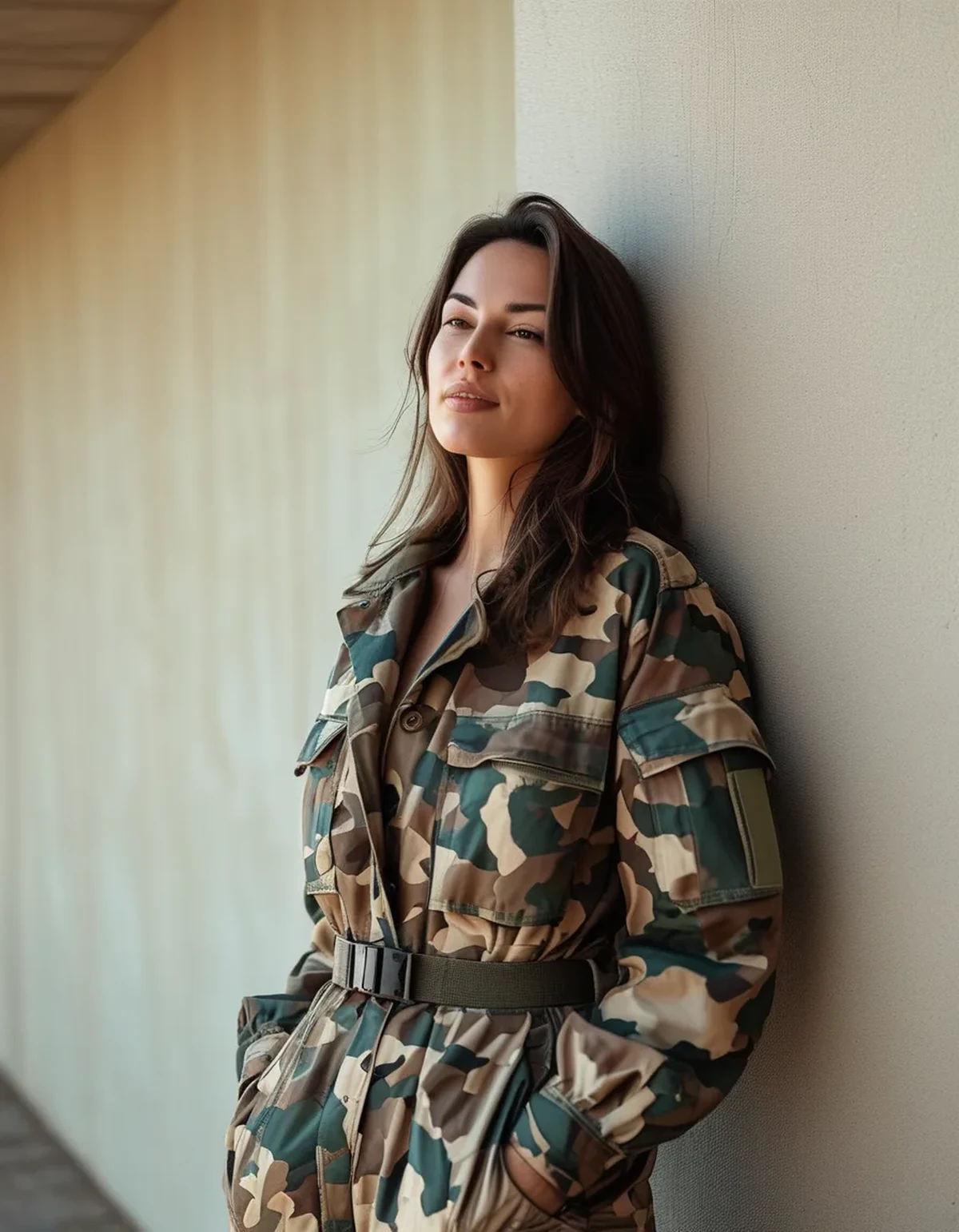
Large-scale camo - shapes roughly the size of your palm or bigger - survives photography. The shapes stay distinct even after compression, so the print still reads as a print.
Small-scale camo - shapes under about 2 inches - turns to mush at any distance beyond a few feet. At full-body framing it reads as a textured greenish solid.
This has a practical implication when shopping. If you mostly wear a piece in person, scale is a style choice. If it is going in photos - an event, content, a trip you will document - large scale is the safer buy. Look at the garment from 8 feet away in the store. That is roughly what the camera sees.
5 Mistakes That Make Camo Photograph Badly
- Pairing camo with another mid-tone. Camo plus grey, camo plus taupe, camo plus faded denim - the whole frame collapses into one value. Go light or go dark.
- Direct overhead midday sun. Harsh light adds hard shadows across an already busy pattern. Open shade or overcast light is dramatically better.
- Full camo top and bottom. In person it reads as intentional. In a photo it reads as one large textured shape with a head on top.
- Standing against green foliage. You will genuinely disappear. The print was designed to do this.
- Shooting from far away. Beyond about 10 feet, small and mid-scale camo stops resolving. Move closer or crop to three-quarter length.
The fourth one sounds like a joke and is the single most common reason outdoor camo photos look flat.
What pairings actually photograph well?
Contrast is the entire answer, and there are three reliable directions.
Crisp white or cream. A white tee or ivory knit under a camo jacket gives the camera a bright anchor, which forces the exposure to hold the camo’s midtones instead of lifting them. This is the most foolproof combination.
True black. Black trousers or a black bodysuit does the same job from the other end. It also creates a clean edge where the camo stops, which keeps the print from bleeding into the background.
One saturated accent. A rust, burgundy, or genuine cream in a bag or shoe gives the eye somewhere to land. Late summer into fall, rust with olive-based camo is particularly good - the warm tone pushes back against the camera’s green shift.
What to avoid: another pattern. Camo plus stripes reads as intentional and interesting in person, and as visual static in a photo.
How should I set up the shot?
Four adjustments, none of them technical.
Light. Overcast days, open shade, or the hour after sunrise and before sunset. Even light preserves the print’s internal contrast.
Background. Plain and contrasting. A pale wall, a dark doorway, concrete. Not a hedge, not a park, not anything green and busy.
Distance. Three-quarter length or closer. Full-body shots at distance are where camo dies.
Exposure. Tap to focus on the camo itself rather than your face, then drag the exposure slider down slightly. Under-exposing by about a third of a stop restores a surprising amount of the pattern’s definition.
If you only do one of these, do the background. Getting off a green backdrop fixes more than the other three combined.
FAQ: Camo and Photos Questions, Answered
Does this apply to camo leggings too?
Yes, and more so - leggings sit close to the body and the print curves away from the light, which flattens it further. Pair with a light or dark solid top and shoot closer.
Why does my camo look green on my phone and brown in person?
Phone color processing tends to push olive tones toward yellow-green. Shooting in a neutral or slightly cool light, and avoiding warm indoor bulbs, reduces the shift noticeably.
Is there a camo colorway that photographs better?
Brown and tan based camo generally holds up better than green based, because the tonal spread between the shapes is usually wider. Black and white camo photographs best of all, though it is a stronger style commitment.
TL;DR:
- Camo is mid-tone, low-contrast, and fine-detailed - the three things cameras handle worst.
- Large-scale prints survive photography; small-scale ones blur into a flat greenish mass.
- Pair with true white or true black, never another mid-tone.
- Shoot in even light against a plain non-green background, at three-quarter length or closer.
- Slightly under-exposing restores much of the print’s definition.
Heading into fall, camo with cream or rust is the pairing that consistently survives both the mirror and the camera roll.
See It in Motion
Seen here: Super High Waist Embossed Yoga Leggings with Inner Pocket — shop it on bubblelime.com
Keep Reading
This article is for general informational and styling purposes only. Fit, sizing, and product availability may vary — check current details before purchasing.