From Battlefield to Runway: The Story of Camo in Fashion
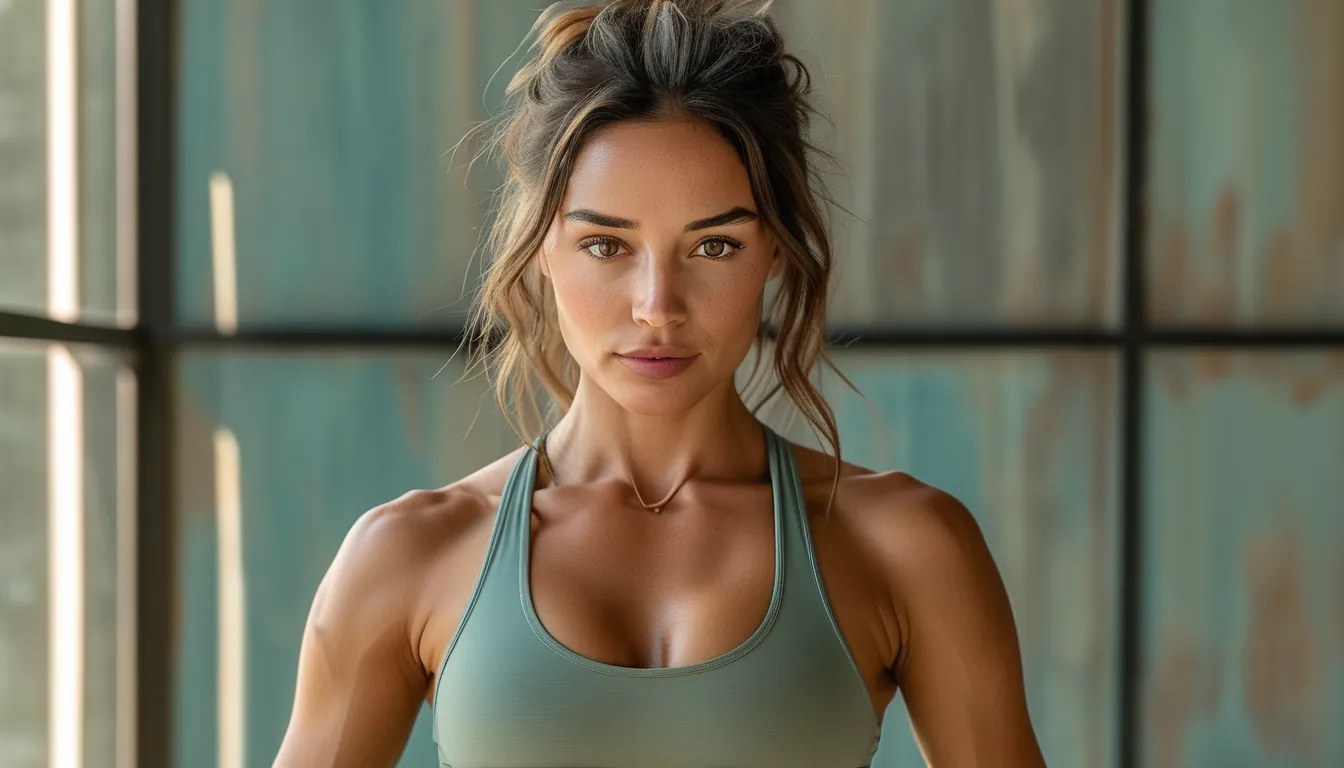
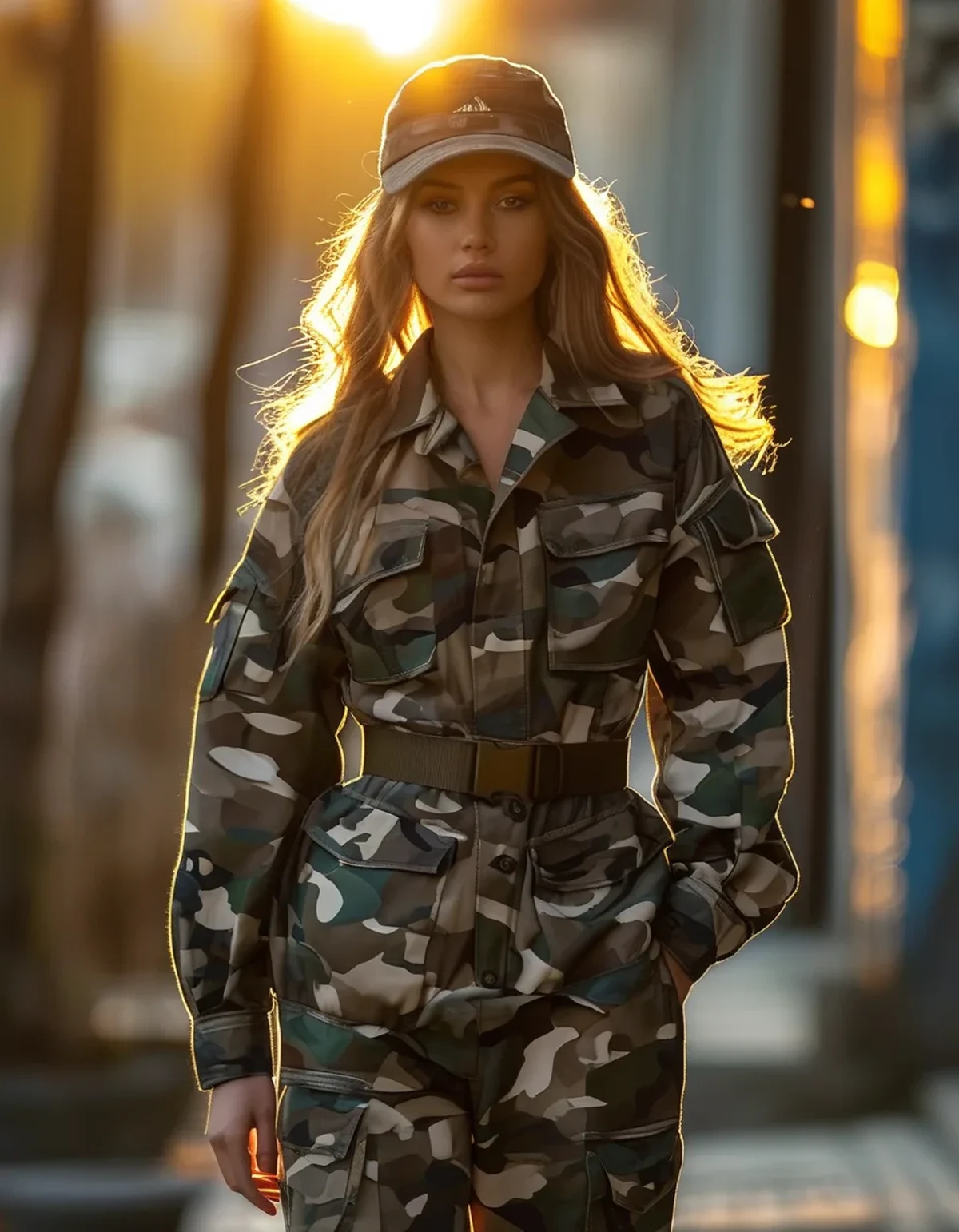
Camo shows up on leggings, bomber jackets, sneakers, and high-fashion runways, and it’s been doing that for decades without ever really fading (pun fully intended). It started as pure survival gear, not a style statement. Knowing that backstory makes the print a lot more interesting the next time you reach for it.
Quick Answer: Camouflage started as military technology designed to hide soldiers in the field, then got adopted by protest movements in the 1960s-70s, luxury designers in the 80s-90s, and streetwear culture after that. It’s stuck around because its mixed greens, browns, and tans function like a print version of a neutral, so it pairs with almost anything.
Where did camo print actually come from?
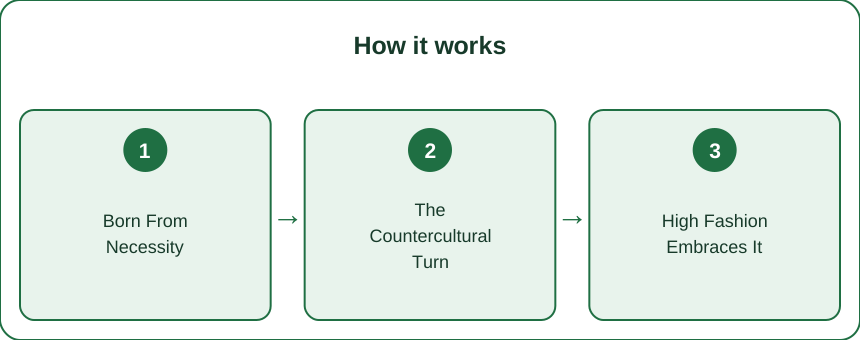
Camouflage was developed in the early 1900s, when armies realized that solid-colored uniforms made soldiers dangerously easy to spot. Military forces went as far as hiring professional artists to design disruptive, irregular patterns that broke up the human silhouette against natural terrain. There was zero fashion intent behind the original designs — the goal was survival, full stop. That utilitarian DNA is part of why camo still reads as tough and functional today, even on a $40 pair of leggings.
How did camo become a symbol of rebellion?
By the 1960s and 70s, anti-war protesters started wearing military surplus camo as a direct statement against the institutions that created it. Wearing the pattern flipped its meaning almost overnight — instead of blending in with an army, you were standing apart from one. That subversive streak never really left the print. Even now, camo carries a faint whiff of “I don’t follow the dress code,” which is exactly why it works so well with edgier streetwear.
When did camo go from military surplus to high fashion?
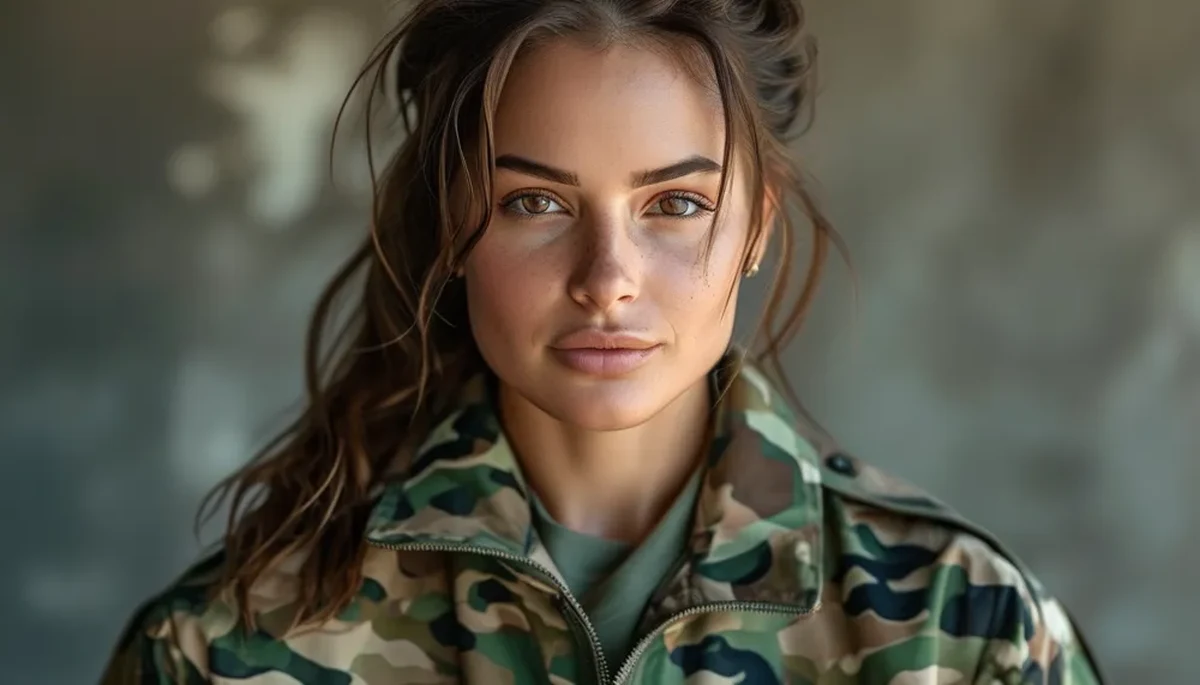
Designers started sending camo down runways in the 1980s and 90s, and the print’s meaning flipped again — this time into luxury and rebellion rolled into one. A pattern soldiers wore to disappear became something models wore specifically to be looked at. That contradiction (functional gear reborn as a status symbol) is basically the whole appeal in one sentence. Fashion loves a good plot twist, and camo delivered one of its best.
Why does camo pair with almost everything?
Here’s the part people miss: camo behaves like a neutral. Because it’s built from greens, browns, and tans layered together, it reads visually similar to olive, khaki, or tan solids, which means it plays nicely with denim, black, white, and cream without a fight. That’s a big reason it has staying power beyond any single trend cycle. It’s bold on sight but surprisingly easy to build an outfit around — the print does the work of two neutrals and one statement piece at once.
What Nobody Tells You About Camo
A few things longtime camo wearers figure out the hard way. First, scale matters more than color — a huge, blown-up camo print reads as bold and modern, while a tiny, tight pattern can look dated fast (yes, this is a real distinction people argue about at parties). Second, one camo piece per outfit is the unofficial rule; two competing camo prints together usually looks like an accident, not a choice. And third, camo in unexpected colors (pink, pastel, black-and-white) tends to photograph better for social media than classic olive-toned versions, if that’s your goal.
How do you style camo without looking costume-y?
The easiest formula: let camo be the loud piece and keep everything else quiet. Try camo leggings with a plain solid tank, or a camo jacket thrown over all-black basics. Stick to one camo item at a time and one or two supporting neutrals, and the whole look reads as intentional rather than accidental. Skip the head-to-toe camo unless you’re specifically going for a bold, fashion-forward statement — it can work, but it’s a bigger swing.
See It in Motion
Seen here: High Waist Yoga Leggings with Side Pockets — shop it on bubblelime.com
FAQ
Is camo considered a neutral print?
Functionally, yes. Because it combines earthy greens, browns, and tans, camo tends to pair with the same colors that go with olive or khaki — denim, white, black, and cream. Stylists often treat it as a “print neutral” for exactly this reason.
Is camo still in style in 2026?
Camo has cycled through military, protest, luxury, and streetwear phases without ever fully disappearing, which is a strong sign it’s more of a wardrobe staple than a passing trend. It’s currently popular in activewear, outerwear, and accessories especially. Expect it to keep showing up in some form for years to come.
Can you wear camo with other prints?
It’s possible, but it’s an advanced move — camo is busy enough on its own, so pairing it with another loud print (florals, stripes, animal print) usually competes for attention. Most stylists recommend keeping camo as the single statement print and pairing it with solids instead.
TL;DR:
- Camo was invented for the military in the early 1900s to break up a soldier’s silhouette, with zero fashion intent.
- Anti-war protesters in the 1960s-70s turned it into a symbol of rebellion against the institutions that created it.
- Designers brought it to high-fashion runways in the 1980s-90s, turning military gear into a luxury statement.
- Its mixed greens, browns, and tans make it function like a print version of a neutral, which is why it pairs with almost anything.
- Scale and color choice matter — bigger prints and unexpected colors like pink or black-and-white tend to look more modern.
- Style it as the star of the outfit: one camo piece, one or two simple neutrals, and skip competing prints.
Keep Reading
This article is for general informational and styling purposes only. Fit, sizing, and product availability may vary — check current details before purchasing.